Asia Sees Surge in Smart Geosynthetics as Urbanization Pushes Infrastructure to New Limits
Rapid urban growth has pushed many of Asia’s infrastructure systems to their limits, with cities now home to a huge share of the region’s population. Roads, rail lines, drainage networks, and coastal defenses are under heavier pressure from expanding communities, rising traffic, and tougher climate patterns.
This growing demand is driving interest in a new wave of smart construction materials that offer stronger performance and better long term reliability.
Reports from regional engineering groups show a sharp rise in investments in sensor based materials and advanced composites, especially solutions branded as high-performance geosynthetic products. These materials are becoming central to new highways, industrial zones, and flood protection systems. They give engineers a way to track stress, moisture, and soil movement in real time, which improves safety and maintenance planning.
Why Asia Is at the Center of the Smart Geosynthetics Boom
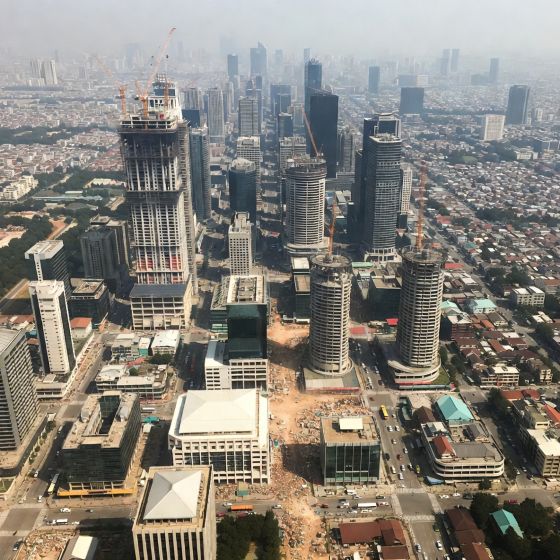
Several factors explain why the shift toward smart geosynthetics has taken off across the region.
- First, Asia has the fastest growing urban centers worldwide. Cities like Jakarta, Manila, Hanoi, Dhaka, and Bengaluru are expanding at speeds that leave traditional construction approaches struggling to keep up. Growth in planned zones across Asia, highlighted by recent developments in Aerocity Mohali, also shows how modern planning models are reshaping infrastructure priorities.
- Second, governments are adopting sustainability policies that require stronger materials, lower carbon footprints, and improved land use methods. Third, climate patterns are getting more intense. Floods, typhoons, and heat related ground instability have pushed planners to search for durable solutions.
Recent market analysis indicates that Asia Pacific now holds the largest share of global geosynthetics consumption. Smart materials equipped with embedded sensors are especially popular in transportation and water management projects. They help detect problems early and keep infrastructure operating smoothly.
How Sensor Embedded Materials Change Construction
Smart geosynthetics differ from traditional ones because they can monitor site conditions long after installation. Tiny sensors are woven into the fabric or layered into composite structures. These devices collect data on soil pressure, moisture changes, slope movement, and temperature shifts. Once collected, the data is sent to monitoring platforms that help engineers adjust maintenance schedules before major failures occur.
Key benefits driving adoption include:
- Early warning systems for landslides, settlement, and erosion.
- Lower maintenance costs thanks to real-time tracking of structural pressure.
- Longer asset lifespan because issues are addressed before they escalate.
- Better sustainability results due to reduced material waste and fewer emergency repairs.
These improvements match the urgent needs of fast growing cities. Large construction firms in China, South Korea, Singapore, and India have already incorporated smart geosynthetics into major expressways, high speed rail corridors, and coastal protection walls.
Sustainability Policies Shape New Construction Standards
Asia’s push toward greener development is also strengthening the shift. Governments now look for ways to reduce soil disruption, extend the life of transportation corridors, and cut carbon emissions from constant rebuilding. Geosynthetics support these goals because they stabilize soil, improve drainage, and reduce the overall volume of raw materials needed for construction.
Smart versions take the benefits further. They supply accurate data that helps officials make evidence based decisions. For example, flood prone districts can track how their embankments respond to storms. Mountain roads can measure slope movements during rainy seasons. Industrial zones can monitor settlement beneath heavy machinery.
These changes improve long term planning and reduce risks. Several engineering councils have noted that Asia is shaping new global benchmarks for resilient construction.
Industry Reports Highlight Growing Demand
Newly released reports show that demand for smart geosynthetics in Asia has grown at double digit rates over the past two years. Suppliers point to strong orders from Indonesia, Vietnam, Malaysia, and the Philippines, markets where rapid economic expansion requires constant upgrades to roads, bridges, and drainage systems.
At the same time, tech companies are partnering with material manufacturers to create stronger and more data rich composites. These partnerships help launch products that deliver both structural support and digital monitoring capabilities. This hybrid approach gives construction firms better control over project performance from start to finish.
As a result, industry experts believe that Asia will lead the world in smart material innovation for at least the next decade. The shift reflects a regional mindset that values durability, cost efficiency, and climate readiness.
The Road Ahead for Asia’s Urban Growth
Urban expansion is expected to continue at a fast pace. This means governments and developers will keep searching for materials that handle heavy loads, complex ground conditions, and unpredictable weather. Many analysts expect that high-performance geosynthetic products will keep playing a major role in shaping future megacities.
With new smart systems entering the market each year, construction teams now have access to tools that balance cost and resilience. As Asia prepares for more growth, the rise of sensor based, sustainable, and long lasting materials is set to become one of the region’s most important engineering trends.
In summary, the shift toward smart and sustainable solutions reflects a broader change in how Asia approaches development. The increased dependence on high-performance geosynthetic products marks a turning point in the region’s construction strategy. It shows a clear move toward smarter cities, stronger infrastructure, and better long term planning.