Credibility Behind the Curtain: 3 Smart Ways Private Investigators Strengthen Newsrooms
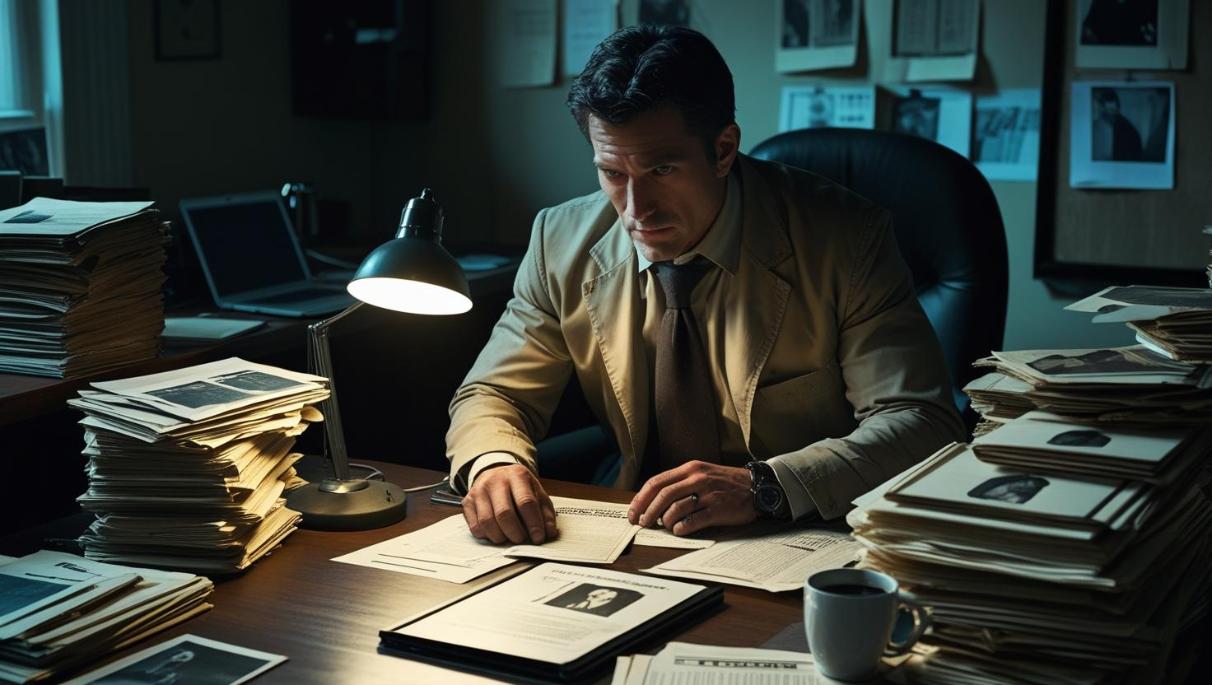
The scrutiny placed on newsrooms to maintain their credibility has reached new heights in an era of rampant misinformation and clickbait. It’s no wonder that some prominent organizations have resorted to working with secret, yet highly effective partners in a bid to protect their reputation.
One such partner is the private investigator, a resource often overlooked. These experts are no longer needed solely to track cheating spouses or for corporate spying. In today’s media landscape, newsrooms increasingly rely on them in more nuanced and subtle ways.
Presented below are three unexpected yet highly tactical manners through which a private detective can aid in maintaining a newsroom’s reputation and trustworthiness.
1. Background Verification Preceding Publishing a Story
When it comes to publishing an exposé or human-interest feature, verification of facts is critical. However, when the subject of the tale is a person with a complicated history, it becomes necessary to engage a private investigator.
These professionals conduct extensive background checks, far deeper than what reporters can access on Google or public archives. A private investigator ensures the avoidance of costly lawsuits for defamation or retractable errors by verifying names, relationships, legal documents, and timelines.
2. Silently Monitored Surveillance to Authenticate Leads
Discreet surveillance is a method that private investigators use in case a lead is hard to verify. It does not matter if the claim is alleging politician misconduct or other corporate scandals; decision-makers are always ready to use secondary means of confirming these hints.
With the help of private investigators, newsrooms can safely verify facts through pretend photojournalism. Through such imaginative techniques, reporters are able to safeguard their informants while editors protect journalists from unnecessary risks.
ALSO READ: 7 Alarming News Stories About Dirty Air Conditioners in Brisbane
3. Tracing Concealed Links in Investigative Journalism
It is common for private investigators to follow monetized routes, identify frauds, or even offshore corporations. Having exposure to reliable company databases gives them the ability to monetize other hidden resources or links that would relate to authors, funders, or even conspirators.
With the help of such resources, newspapers are enabled to give exposes verified with the most accurate data possible, which builds public trust as well as initiates policy changes.
Final Thoughts
In an attempt to maintain trust and credibility during trying times, private investigators are emerging as unrecognized champions of contemporary journalism. They play an essential role in verifying information, performing due diligence, and safeguarding journalistic integrity.
With the proper moral framework, these practitioners can augment a newsroom’s obligation to uphold the public’s right to unbiased, accurate, and responsible reporting.