Korea’s Wellness Boom: How Massage and Spa Culture Are Shaping Urban Life in 2025
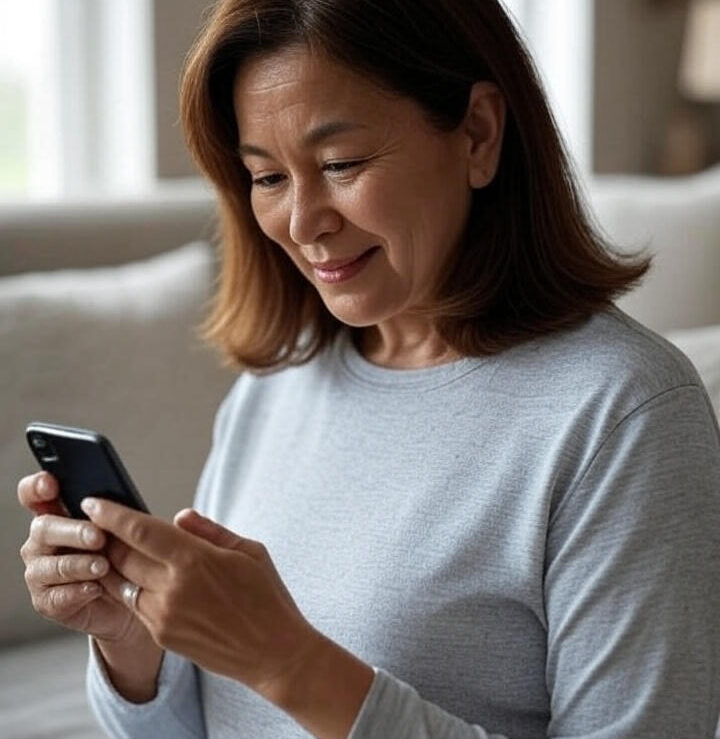
South Korea’s wellness industry has experienced significant growth in recent years, with massage and spa services becoming a central part of daily urban life. This shift isn’t just about luxury; it reflects a cultural transformation. Long work hours, screen fatigue, and rising mental health concerns have driven people to seek balance through relaxation and body care. As of 2025, wellness isn’t a niche but a movement.
Across Seoul, Busan, and Daegu, modern massage parlors and spas are evolving to serve both locals and tourists. These businesses offer not just foot massages and full-body treatments, but complete wellness experiences. Booking these services has also become more convenient with platforms like OPCMD, a directory for entertainment sites, which helps users explore and access massage and spa options within minutes. The integration of technology is reshaping how Koreans approach their self-care routines.
Why Urban Korea is Embracing Wellness
Korean cities are fast-paced, competitive, and digitally driven. Workers often put in 10 to 12 hours a day, with many also pursuing studies or holding second jobs. Naturally, stress and burnout are constant threats. Wellness services, such as massage therapy and hydrotherapy, are recognized as effective ways to decompress both physically and mentally. More people now view these sessions as essential, not indulgent.
Interestingly, this wellness boom isn’t limited to high-end customers. Affordable, clean, and tech-friendly spa locations have appeared near subway exits and office districts. This accessibility has helped wellness become more integrated into everyday routines. Lunch break facials and after-work aroma massages are now part of the city lifestyle.
The Role of Technology and Digital Platforms
The rise of wellness-focused apps and directories is another key factor in the growth of the spa industry. Platforms that specialize in listing wellness businesses have changed the game. Customers can now view user reviews, available services, therapist credentials, and pricing, all before booking a visit. These apps promote transparency, enhance trust, and make wellness more accessible than ever before.
Artificial intelligence is also playing a role. Some high-end spas now use AI-powered tools to assess a client’s posture, stress levels, or skin condition before suggesting treatments. This personalized approach has made spa visits more effective and rewarding, especially for those who return regularly for stress or chronic pain management. The same technology trends are reflected in broader healthcare, where precision medicine and personalized care are transforming how conditions are diagnosed and treated.
Wellness as a Cultural Priority
The government and local media are helping to push wellness into the spotlight. Public health campaigns now highlight stress relief and self-care alongside traditional fitness and nutrition. Urban development plans include wellness parks and meditation centers. Schools are introducing mental wellness programs and breathing exercises. Wellness is becoming an integral part of the Korean identity.
Local influencers and K-pop idols are also getting involved. Social media is full of spa vlogs and self-care content. This visibility has helped normalize massages, facial treatments, and body scrubs across all age groups, not just the older or elite demographics. Wellness is now aspirational, but also achievable.
What to Expect in the Future
Looking ahead, the spa and massage industry is expected to become even more integrated with urban planning. Expect to see wellness lounges in train stations, AI-guided massage chairs in co-working spaces, and subscription models that let busy workers fit regular self-care into their schedules. Digital check-ins, touchless therapy tools, and even virtual wellness coaching may soon become mainstream.
What’s clear is that massage and spa culture in Korea is no longer something extra, it’s essential. It’s shaping not just how people relax, but how they work, socialize, and recover from the intensity of modern life. Platforms like OPCMD are making this lifestyle shift easier, acting as a bridge between stressed citizens and the services that help them thrive.
By making wellness accessible, affordable, and culturally supported, Korea is setting a new standard for urban health. Other countries are taking notice and perhaps taking notes. As 2025 unfolds, Korea’s wellness boom may serve as a blueprint for a more balanced urban future everywhere.
Conclusion
Massage and spa culture have redefined what it means to live well in South Korea’s cities. From the high-tech spas of Gangnam to neighborhood massage studios in Incheon, wellness is now embedded in urban life. And with digital tools like OPCMD making everything easier, the future of wellness in Korea looks even brighter.